
Future top Ad Unit
Professional Integration Pending
Natural disasters rarely arrive at convenient times.
A flood warning can turn into a neighbourhood evacuation overnight. A hurricane can leave entire regions without electricity for days. Wildfires may force families to leave their homes with only minutes to spare. Earthquakes, meanwhile, often strike without warning at all.
For many households, the biggest mistake is assuming there will be enough time to prepare later.
Emergency management officials across the United States consistently emphasize one core principle: preparedness works best before disaster risk becomes immediate. Once supply chains tighten and panic buying begins, even basic necessities like bottled water, batteries, generators, or fuel can become difficult to find.
That reality is changing how more homeowners, renters, and property investors think about disaster readiness.
Preparedness is no longer viewed as a niche survivalist activity. It has increasingly become part of responsible household planning — similar to maintaining insurance coverage, reviewing evacuation routes, or understanding local flood exposure.
The question is no longer whether severe weather or natural disasters will happen somewhere nearby.
The more important question is whether households are prepared when they do.
Start With Risk Awareness
Preparation should begin with understanding the risks specific to your location.
A family living along the Gulf Coast faces very different hazards compared to a homeowner in California wildfire corridors or a Midwestern household exposed to tornadoes and flash flooding.
Many Americans underestimate how localized environmental risk can be. Two neighborhoods within the same city may have very different flood histories, evacuation requirements, or wildfire exposure profiles.
Understanding local hazards helps households prioritize what matters most.
For example:
- Flood-prone areas may require waterproof document storage and evacuation readiness.
- Hurricane regions often prioritize backup power and long-term food storage.
- Wildfire zones may focus on air quality protection and rapid evacuation planning.
- Earthquake-prone households may secure heavy furniture and maintain structural emergency kits.
Preparedness becomes more practical — and more affordable — when it aligns with realistic regional threats.
Build A 72-Hour Emergency Supply Base
Emergency planners often recommend preparing for at least 72 hours without outside assistance.
That recommendation exists for a reason.
After severe disasters, emergency responders may be overwhelmed, roads may become inaccessible, and utilities may remain offline for extended periods. In larger regional disasters, supply shortages can escalate quickly.
A basic emergency preparedness foundation typically includes:
Water
Water remains the single most important emergency resource.
Households should ideally maintain enough drinking water for each family member for at least three days. Additional water may also be needed for sanitation and pets.
Sealed water containers are generally more reliable than relying entirely on tap access after a disaster.
Non-Perishable Food
Emergency food supplies do not need to be complicated.
Canned goods, protein bars, shelf-stable meals, peanut butter, dried fruit, and electrolyte drinks can provide temporary stability during disruptions.
The focus should be practicality rather than stockpiling excessive quantities.
Lighting And Batteries
Power outages remain one of the most common disaster-related disruptions in the United States.
Battery-powered lanterns, flashlights, rechargeable batteries, and backup battery packs can significantly improve safety and communication during outages.
Candles are often discouraged because of fire risks during unstable conditions.
First Aid Supplies
Medical access may become delayed during severe emergencies.
Households should maintain a practical first aid kit that includes bandages, antiseptics, prescription medications, pain relievers, gloves, and emergency contact information.
Families with children, elderly relatives, or medical conditions may require additional customized supplies.
Backup Power Has Become Increasingly Important
One of the biggest shifts in modern disaster preparedness is the growing importance of electricity.
A prolonged power outage affects far more than lighting.
Future mid Ad Unit
Professional Integration Pending
Without power, households may lose:
- Internet connectivity
- Phone charging capability
- Refrigeration
- Medical equipment functionality
- Heating or cooling systems
- Security systems
- Garage access
- Water pumps in some homes
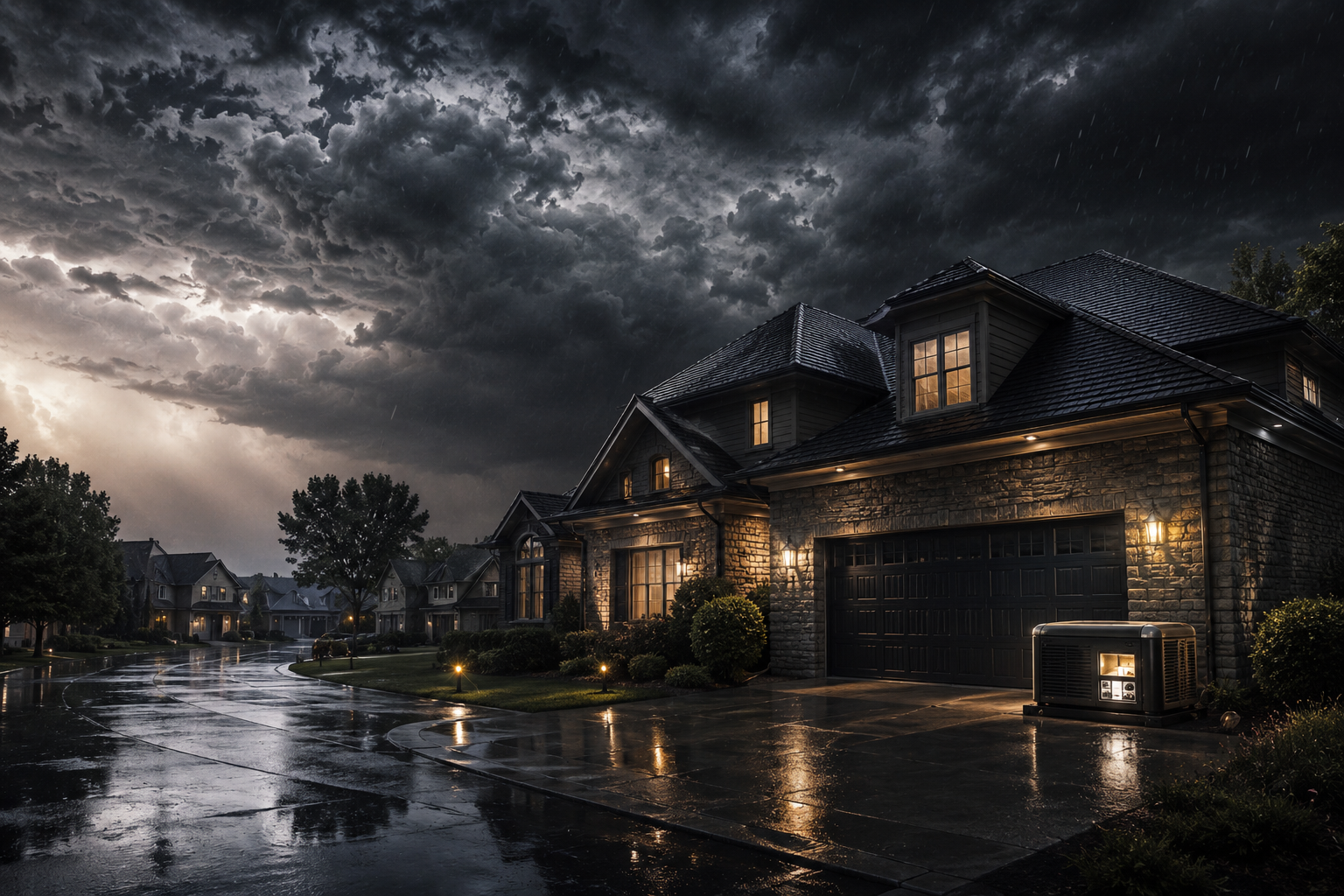
Portable battery stations and generators have become increasingly common preparedness investments, especially in hurricane and wildfire-prone states.
Unlike older fuel-only generators, newer battery-based systems offer quieter indoor-safe operation for essential electronics.
For many households, backup power is now viewed less as a luxury and more as resilience infrastructure.
Important Documents Should Be Protected
Disasters often create administrative and financial complications long after physical damage occurs.
Insurance claims, FEMA assistance applications, mortgage records, identification documents, and medical information can become critical immediately after an evacuation or property loss.
Experts commonly recommend storing:
- Insurance policies
- Passports
- Birth certificates
- Medical records
- Property deeds
- Emergency contacts
- Financial account information
Digital backups stored securely in cloud systems may also reduce recovery complications later.
Waterproof and fire-resistant document storage can provide additional protection.
Communication Plans Matter More Than Most Families Realize
One overlooked aspect of disaster preparedness is communication planning.
During emergencies, cellular networks may become overloaded or disrupted. Family members may also become separated during evacuations, school closures, or workplace disruptions.
Every household should establish:
- Emergency meeting locations
- Out-of-state emergency contacts
- Evacuation routes
- Communication backup methods
- Pet evacuation arrangements
Simple printed contact lists remain surprisingly valuable when phones lose power or internet access becomes unreliable.
Evacuation Preparation Should Happen Before It’s Needed
Many evacuation failures occur because households wait too long to leave.
By the time mandatory evacuation orders are issued, highways may already be congested, fuel supplies reduced, and hotel availability limited.
Prepared households often maintain a ready-to-go emergency bag containing:
- Identification
- Medications
- Basic clothing
- Chargers
- Cash
- Flashlights
- Hygiene supplies
- Pet supplies
- Important documents
The goal is mobility and speed.
Households should also know multiple evacuation routes rather than relying on a single highway or road system.
Preparedness Is Also Financial Protection
Natural disasters frequently create long-term economic consequences beyond immediate damage.
Unexpected hotel stays, food costs, temporary relocation expenses, insurance deductibles, debris cleanup, and lost income can quickly escalate into serious financial strain.
Preparedness helps reduce those secondary impacts.
For example:
- Backup power may prevent food spoilage.
- Flood barriers may reduce water intrusion.
- Emergency cash reserves may ease temporary displacement.
- Proper insurance documentation may accelerate claims processing.
Preparedness is increasingly viewed not just as safety planning, but as household financial resilience.
Technology Is Changing Household Preparedness
Modern disaster preparedness increasingly combines physical supplies with digital awareness tools.
Many homeowners now monitor:
- Flood maps
- Wildfire activity
- Storm tracking
- Air quality alerts
- Earthquake notifications
- Infrastructure outages
Risk intelligence platforms and property hazard tools have become more common among buyers, insurers, and residents seeking deeper visibility into environmental exposure.
Preparedness is evolving from reactive behavior into ongoing situational awareness.
The Most Prepared Households Usually Prepare Early
One consistent pattern emerges after major disasters.
Households that prepare early generally make calmer decisions during emergencies.
They evacuate sooner. They experience fewer supply shortages. They recover documentation faster. They reduce confusion when infrastructure disruptions occur.
Preparedness does not eliminate disaster risk.
But it can significantly reduce chaos when severe events happen.
Natural disasters are unpredictable by nature. Preparation, however, does not have to be.
For many households, the most valuable emergency decision is often the simplest one: preparing before the forecast becomes urgent.