
Future top Ad Unit
Professional Integration Pending
Preparedness used to feel optional for many American households.
Today, it increasingly feels essential.
Across the United States, homeowners are facing more frequent and severe storms, prolonged power outages, flash flooding, wildfire evacuations, extreme heat events, and infrastructure disruptions. Even regions once considered relatively low-risk are experiencing weather volatility that can quickly disrupt daily life.
In many cases, families only realise how unprepared they are after an emergency begins.
A prolonged blackout can interrupt communication, refrigeration, internet access, and medical equipment for hours. Flash flooding can unexpectedly isolate entire neighbourhoods. Wildfires and hurricanes can force evacuations with little warning.
Modern preparedness is not about panic or survivalist extremes.
It is about reducing chaos when conditions become unpredictable.
For homeowners, having a practical emergency preparedness plan can make an enormous difference during both short-term disruptions and major disasters.
Here is the essential preparedness checklist every modern household should consider.
Understand The Risks Specific To Your Area
Preparedness starts with understanding local environmental risks.
A homeowner in coastal Florida faces different threats than someone living in California, Texas, Colorado, or the Midwest. Hurricanes, tornadoes, winter storms, flooding, wildfires, earthquakes, and extreme heat all require different forms of preparation.
Many homeowners underestimate regional hazards because severe events may seem rare — until they happen.
Households should evaluate:
- Flood exposure
- Wildfire zones
- Hurricane evacuation routes
- Severe storm history
- Earthquake activity
- Extreme heat vulnerability
- Winter weather exposure
- Nearby industrial risks
Understanding local risks helps homeowners prioritise the right supplies and emergency plans.
Preparedness becomes significantly more effective when it reflects realistic regional threats rather than generic assumptions.
Build A Reliable Emergency Supply Kit
One of the most common preparedness mistakes is assuming emergencies only last a few hours.
In reality, severe weather and infrastructure disruptions can interrupt normal services for days.
Emergency kits should support every member of the household for at least several days without depending on outside assistance.
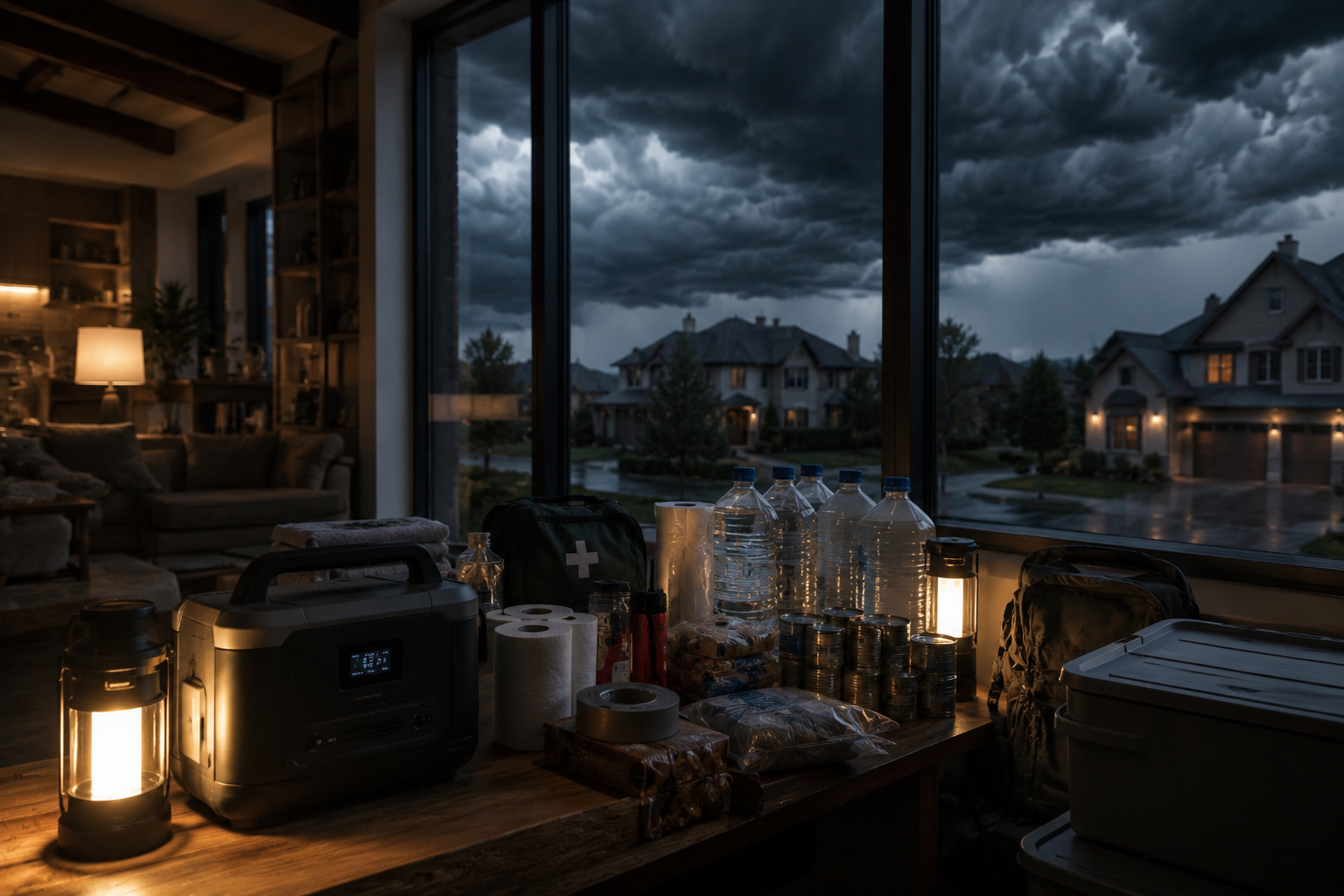
Core emergency supplies often include:
- Drinking water
- Nonperishable food
- Flashlights
- Extra batteries
- Portable chargers
- First aid supplies
- Prescription medications
- Hygiene products
- Blankets
- Multi-purpose tools
Households with children, pets, elderly relatives, or medical needs should also prepare specialized supplies.
Preparedness kits do not need to be expensive or overly complicated. The goal is practical resilience during temporary disruptions.
Prepare For Extended Power Outages
Power outages are becoming increasingly disruptive during storms, heat waves, winter freezes, and utility failures.
For modern households, losing electricity affects far more than lighting.
Internet service, refrigeration, heating, cooling, communication devices, security systems, and remote work infrastructure may all become unavailable simultaneously.
Backup power planning is becoming an important part of home preparedness.
Portable battery stations, power banks, backup lighting, and alternative cooking methods can help households maintain basic functionality during outages.
Homeowners should also consider refrigeration needs for medications and food storage.
Even modest preparation can significantly reduce stress during prolonged utility disruptions.
Protect Important Documents And Financial Records
Emergencies can create more than physical damage.
Flooding, fires, evacuations, and severe storms can also destroy important records and financial documents.
Homeowners should organize and securely store:
- Insurance policies
- Identification documents
- Medical records
- Property paperwork
- Emergency contacts
- Financial account information
Digital backups are equally important.
Secure cloud storage and password-protected digital copies help ensure access to critical documents even if physical records are damaged.
Waterproof and fire-resistant storage solutions provide additional protection during disasters.
Future mid Ad Unit
Professional Integration Pending
Preparedness is not only about survival during emergencies. It is also about recovering more efficiently afterwards.
Create A Family Communication Plan
One of the most overlooked parts of preparedness is communication.
During emergencies, family members may become separated unexpectedly, while cell networks and internet systems may experience outages or congestion.
Every household should establish:
- Emergency contact lists
- Meeting locations
- Evacuation routes
- Backup communication methods
- Out-of-state emergency contacts
Children should understand basic emergency procedures and know how to contact trusted adults if necessary.
Communication planning becomes especially important for families with elderly relatives, medical conditions, or frequent travellers.
Simple plans reduce confusion during stressful situations.
Know When To Evacuate
Some emergencies require staying safely indoors.
Others require immediate evacuation.
Wildfires, hurricanes, chemical incidents, and fast-moving flood events can escalate rapidly, leaving very little time to react once official warnings are issued.
Homeowners should familiarise themselves with:
- Local evacuation routes
- Shelter locations
- Traffic bottlenecks
- Fuel availability
- Pet evacuation policies
Vehicles should also remain reasonably prepared with fuel, chargers, emergency supplies, and first aid essentials.
Waiting too long to evacuate remains one of the most dangerous mistakes during rapidly changing disasters.
Preparedness means making decisions before panic begins.
Strengthen The Home Itself
Preparedness is not only about supplies.
The resilience of the home itself also matters.
Simple mitigation improvements can reduce damage during storms, flooding, wildfires, and severe weather events.
Depending on regional hazards, homeowners may consider:
- Storm shutters
- Roof inspections
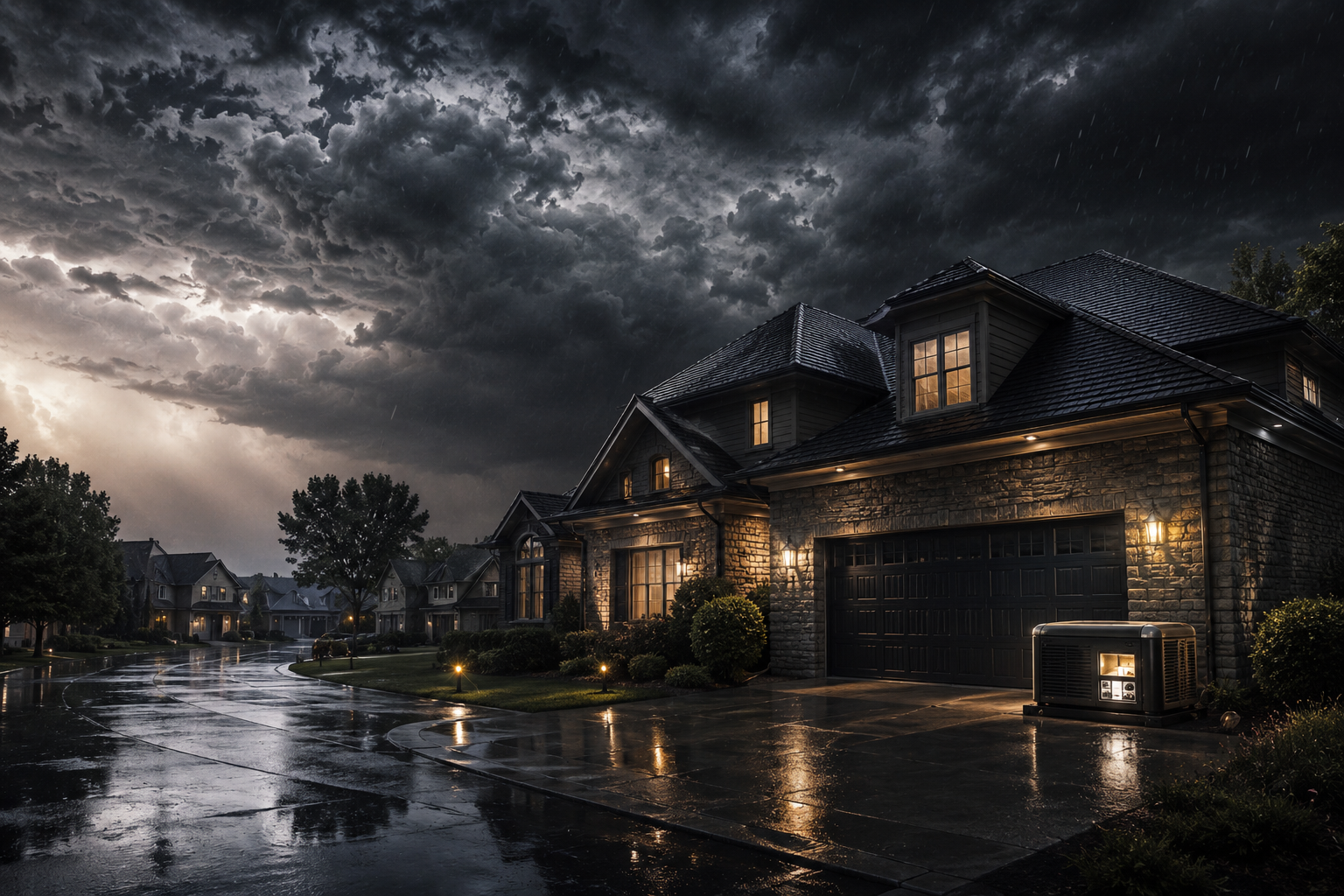
- Backup generators
- Sump pumps
- Drainage improvements
- Fire-resistant landscaping
- Smoke detectors
- Carbon monoxide alarms
Routine maintenance also plays a major role in disaster resilience.
Neglected roofs, clogged gutters, outdated wiring, and dead trees can increase vulnerability during severe weather.
Preparedness is often built gradually through practical improvements over time.
Review Insurance Coverage Carefully
Many homeowners assume insurance automatically covers every type of disaster.
That is not always true.
Flood damage, earthquakes, sewer backups, and certain storm-related losses may require separate policies or additional endorsements. Rising environmental risks are also changing insurance availability and pricing in some regions.
Before emergencies occur, homeowners should review:
- Flood coverage
- Deductibles
- Temporary housing benefits
- Personal property limits
- Wildfire protection
- Water damage exclusions
Understanding insurance details before disaster strikes can prevent major financial surprises later.
Preparedness also includes understanding how recovery works after emergencies.
Preparedness Is Becoming Part Of Modern Homeownership
For decades, emergency preparedness was often viewed as something optional.
Today, it is increasingly becoming part of responsible homeownership.
Climate-related disasters, infrastructure strain, and severe weather volatility are affecting communities with greater frequency and financial impact. Even short-term disruptions can create serious challenges for unprepared households.
The goal of preparedness is not to eliminate risk entirely.
It is to reduce uncertainty when emergencies occur.
Households that prepare ahead of time often recover faster, make better decisions under stress, and experience fewer long-term disruptions during disasters.
In a world where environmental risks are becoming more unpredictable, preparedness is no longer simply a precaution.
For many homeowners, it is becoming an essential part of modern resilience.