
Future top Ad Unit
Professional Integration Pending
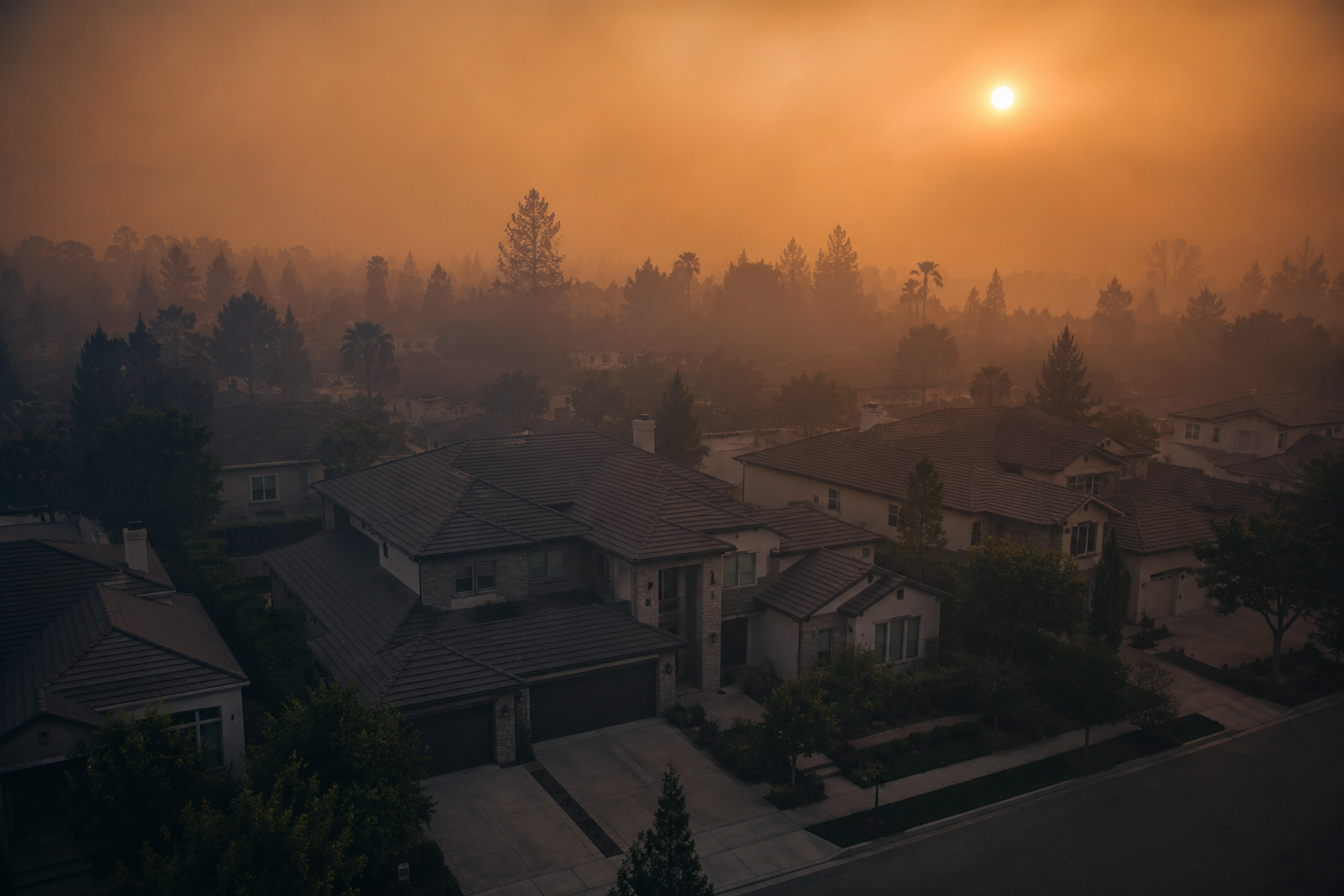
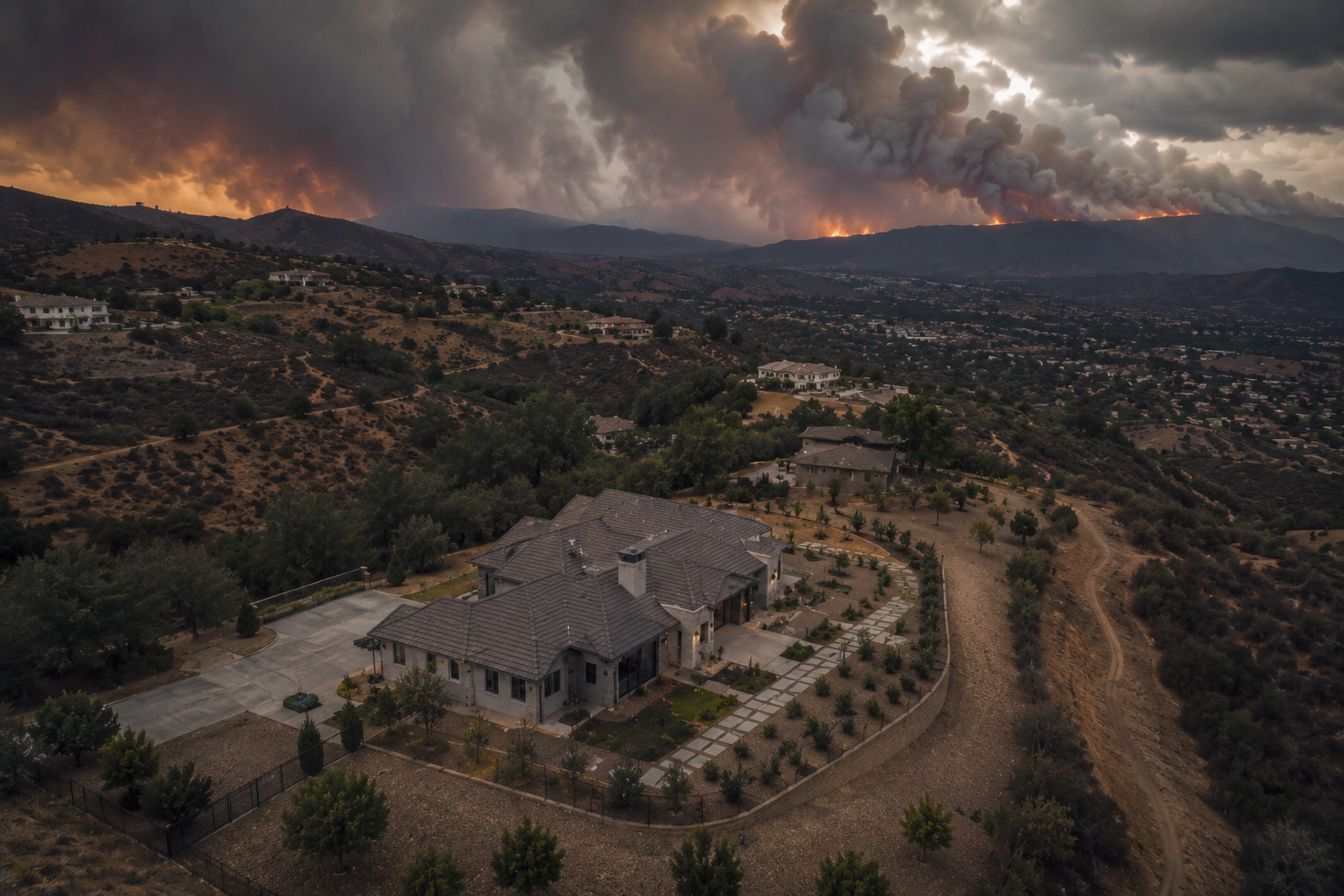
Wildfire risk is no longer limited to remote forests and isolated mountain communities.
Across large parts of the United States, suburban neighborhoods, luxury residential developments, and expanding housing communities are increasingly exposed to wildfire threats. In states such as California, Colorado, Arizona, Texas, and Oregon, prolonged drought conditions, rising temperatures, and dry vegetation are changing how homeowners think about property protection.
One concept has become central to modern wildfire preparedness: defensible space.
For many homeowners, the term may sound technical or unfamiliar. But in practice, defensible space is one of the most effective ways to reduce wildfire vulnerability around residential properties.
As wildfire seasons become longer and more destructive, understanding defensible space zones is becoming an essential part of responsible homeownership in fire-prone regions.
What Is Defensible Space?
Defensible space refers to the area surrounding a structure where vegetation, landscaping, and combustible materials are carefully managed to reduce wildfire intensity near the home.
The objective is straightforward.
Wildfires spread through fuel.
Dry grass, dead shrubs, overgrown vegetation, wood piles, mulch, fencing, outdoor furniture, and debris can all contribute to fire behavior during severe wildfire conditions. Defensible space helps interrupt that fuel continuity around structures.
A properly maintained defensible space zone may help:
- Slow fire spread
- Reduce ember ignition risk
- Lower radiant heat exposure
- Improve firefighter access
- Increase structure survivability
Importantly, defensible space is not about removing every tree or turning properties into barren landscapes.
It is about strategic risk reduction while maintaining practical and attractive outdoor environments.
Why Embers Often Matter More Than Flames
Many homeowners picture wildfires as massive walls of flames directly consuming neighborhoods.
In reality, embers are often the greater threat to homes.
Wind-driven embers can travel long distances ahead of active wildfire fronts. These burning particles can land on rooftops, gutters, decks, vents, dry landscaping, or piles of leaves.
Homes may ignite even when the main wildfire remains hundreds of yards away.
This is why defensible space matters so much.
Reducing combustible materials near structures lowers the chance that embers will trigger secondary fires around the home.
Some of the most common wildfire ignition vulnerabilities include:
- Dry leaves in gutters
- Dead vegetation near windows
- Wood piles against exterior walls
- Wooden fences connected directly to homes
- Combustible mulch near foundations
- Overgrown shrubs under windows
Wildfire resilience often depends on addressing these smaller vulnerabilities long before fire season begins.
Understanding The Different Defensible Space Zones
Wildfire agencies and local regulations often divide defensible space into multiple management zones around a property.
While exact recommendations vary by region, the general concepts remain similar across many wildfire-prone states.
Zone 0: Immediate Structure Protection
This is the area closest to the home itself.
The primary focus is reducing materials that could ignite from wind-driven embers.
Typical recommendations include:
- Removing dead plants and vegetation
- Clearing leaves from roofs and gutters
- Avoiding combustible mulch directly near structures
- Keeping decks clear of debris
- Using noncombustible surfaces when possible
- Maintaining fire-resistant plants near foundations
This immediate perimeter is often considered the most critical wildfire defense zone.
Zone 1: Intermediate Defensible Space
The next area outward focuses on reducing fuel density and slowing fire spread toward structures.
Homeowners may:
- Space trees farther apart
- Trim lower tree branches
- Remove dead shrubs
- Reduce dense vegetation clusters
- Maintain irrigated landscaping
- Create breaks between combustible materials
The goal is limiting the ability of wildfire to move continuously toward the home.
Future mid Ad Unit
Professional Integration Pending
Zone 2: Extended Vegetation Management
Farther from the structure, mitigation efforts shift toward broader fuel reduction strategies.
This may include:
- Removing dead trees
- Reducing brush density
- Managing tall grass
- Maintaining emergency access paths
- Creating separation between vegetation zones
Larger properties in wildfire-prone areas may require ongoing seasonal maintenance to keep extended defensible zones effective.
Landscaping Choices Can Influence Wildfire Risk
Home landscaping decisions play a major role in wildfire vulnerability.
Certain plants ignite more easily due to oil content, dryness, or dense growth patterns. Poor maintenance can also allow dead vegetation and debris to accumulate over time.
Fire-resistant landscaping strategies often prioritize:
- Moisture-retaining plants
- Irrigated ground cover
- Gravel or stone pathways
- Reduced vegetation density
- Proper tree spacing
- Low-growing vegetation
Tree placement also matters.
Branches hanging near roofs, chimneys, or power lines can significantly increase wildfire exposure during high winds and ember storms.
Importantly, wildfire-conscious landscaping does not necessarily mean sacrificing curb appeal. Many defensible space designs still maintain visually attractive outdoor spaces while improving fire resilience.
The Home Itself Also Matters
Defensible space alone cannot fully protect a property.
The structure itself plays a major role in survivability during wildfire events.
Certain building materials and design features perform better under wildfire exposure, especially when embers are involved.
Important wildfire-resistant features may include:
- Class A fire-rated roofing
- Ember-resistant attic vents
- Tempered glass windows
- Noncombustible siding
- Enclosed eaves
- Metal fencing transitions near structures
Even smaller upgrades can improve resilience substantially.
In many wildfire disasters, neighboring homes experience very different outcomes depending on construction materials and surrounding fuel conditions.
Insurance Companies Are Paying Attention
Wildfire exposure is becoming an increasingly important issue for insurers.
Insurance companies now use sophisticated wildfire risk models that evaluate vegetation density, topography, historical fire activity, drought conditions, and structural vulnerabilities at the property level.
In some wildfire-prone regions, homeowners without adequate defensible space may face:
- Higher insurance premiums
- Coverage restrictions
- Mandatory inspections
- Limited policy availability
Some insurers actively encourage wildfire mitigation through underwriting incentives or property inspections.
For homeowners in high-risk regions, defensible space is no longer only about physical safety. It is increasingly connected to long-term insurability and property value.
Defensible Space Requires Ongoing Maintenance
One of the most common misconceptions about defensible space is that it is a one-time project.
In reality, wildfire mitigation requires continuous attention.
Vegetation grows back. Leaves accumulate. Seasonal drought conditions change fuel moisture levels. Wind events alter fire behavior potential.
Homeowners should regularly inspect their properties for:
- Dead vegetation
- Dry grass buildup
- Tree overgrowth
- Debris accumulation
- Irrigation issues
- Roofing or vent damage
Wildfire preparedness is most effective when integrated into routine property maintenance rather than treated as occasional emergency preparation.
Wildfire Preparedness Is Becoming Part Of Modern Homeownership
As climate conditions continue shifting across many parts of the United States, wildfire exposure is increasingly affecting suburban communities and residential real estate markets.
Defensible space has become one of the most practical and widely recommended strategies for reducing property vulnerability.
It cannot eliminate wildfire risk entirely.
Extreme fire conditions, severe winds, and prolonged drought can still overwhelm even well-prepared properties. But defensible space can improve structure survivability, reduce ember ignition potential, and provide firefighters with safer operating conditions during emergencies.
For homeowners living near vegetation-heavy areas, wildfire preparedness is no longer a niche concern.
It is becoming part of responsible modern homeownership.